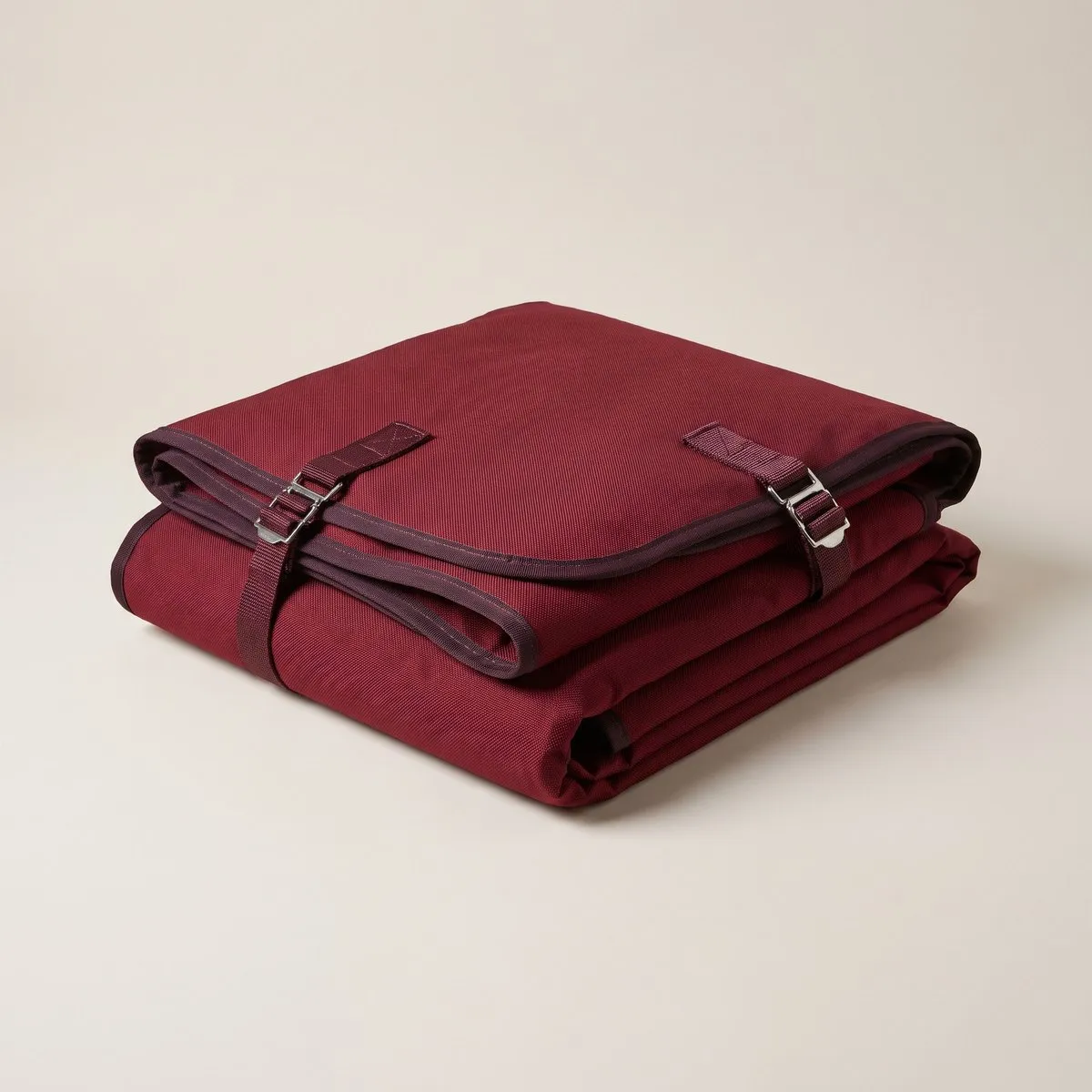
A rug's weight is a guide to how much warmth it provides, not how heavy it feels to lift. Once you know what the numbers mean, it is much easier to pick the right rug for the weather and the horse in front of you.
What the weight means
Rug weights are given in grams, and they describe the fill inside the rug. A 0g rug, often called a rain sheet, has no fill at all. It keeps the worst of the rain off without adding warmth. A 100g rug adds a light layer for cool, changeable days.
From there the numbers climb. A 200g rug is a mediumweight for cold weather, and a 300g rug is a heavyweight for the coldest nights. The outer fabric and the lining matter too, so two rugs at the same weight can feel different.
Matching the rug to the weather
Think about the temperature, the wind, the rain and how much coat the horse is carrying. A clipped horse feels the cold more than an unclipped one, and a thin-skinned horse may need more than a hardy native. Age and condition matter as well.
A common mistake is to over-rug. A horse that is too warm can become damp under the rug, which is uncomfortable and hard to manage. If you are unsure, start lighter and add a layer rather than reaching straight for the heaviest rug. Check the horse daily and change the rug as the weather changes.
Layers and liners
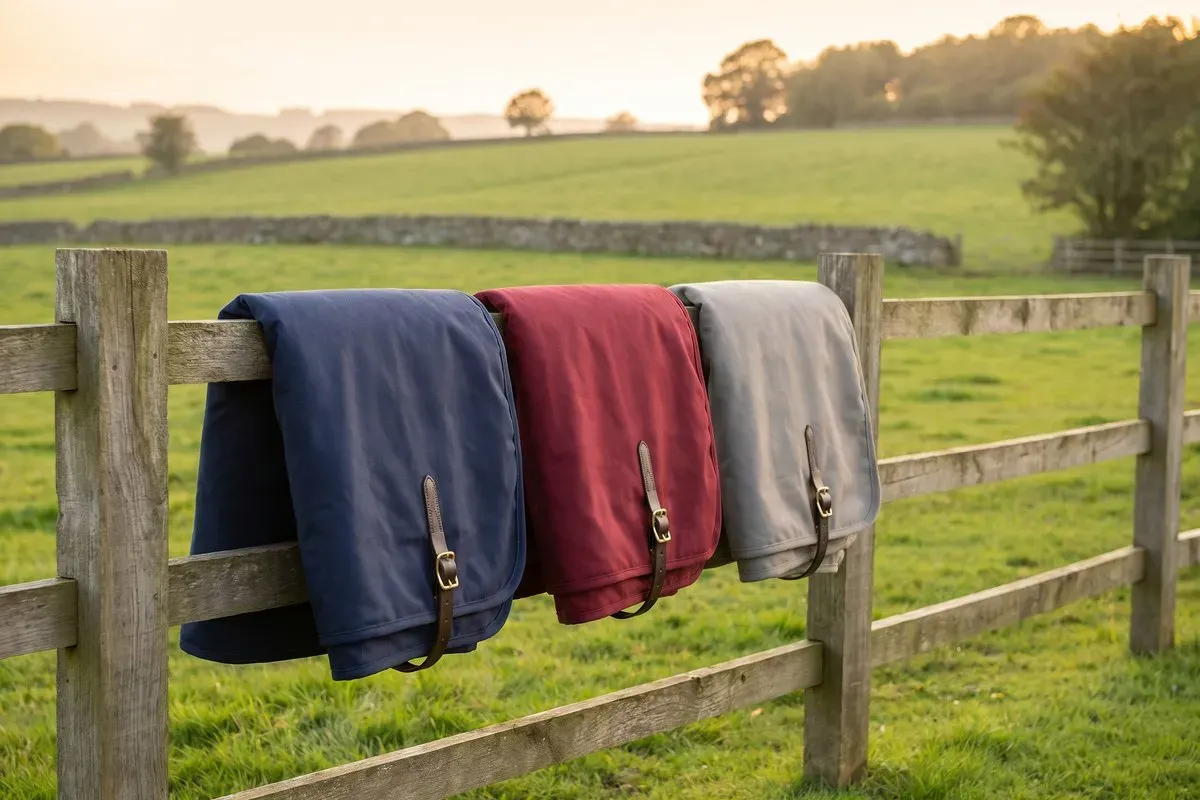
Layering gives you more options than owning several rugs of different weights. A rain sheet over a stable rug, or a liner under a turnout, can be adjusted as the day warms or the weather turns. Make sure each layer fits without rubbing and that the fastenings do not sit on top of one another.
Check the fit of the outer rug with the liner in place, because a liner can change how the rug sits across the shoulders and chest. A rug that pinches with the liner added will pinch in the field too.
When you change a rug, check the horse underneath. Lift the rug and feel the skin at the shoulder and the flank, and look for sweat or a damp coat. A horse that is warm behind the ears or under the rug is probably carrying too much.
Two lighter rugs are often more useful than one heavy rug, especially in spring and autumn when the temperature swings between morning and afternoon. The same heavy rug that suits a frosty night is too much by midday.
- Choose 0g for mild, wet days and a light rain sheet.
- Use 100g for cool days and changeable weather.
- Step up to 200g when the temperature drops.
- Save 300g for the coldest nights and clipped horses.
- Check the horse daily for rubs and overheating.
- Layer a liner rather than buying several heavy rugs.
- Ask your vet if you are unsure about a horse's condition.
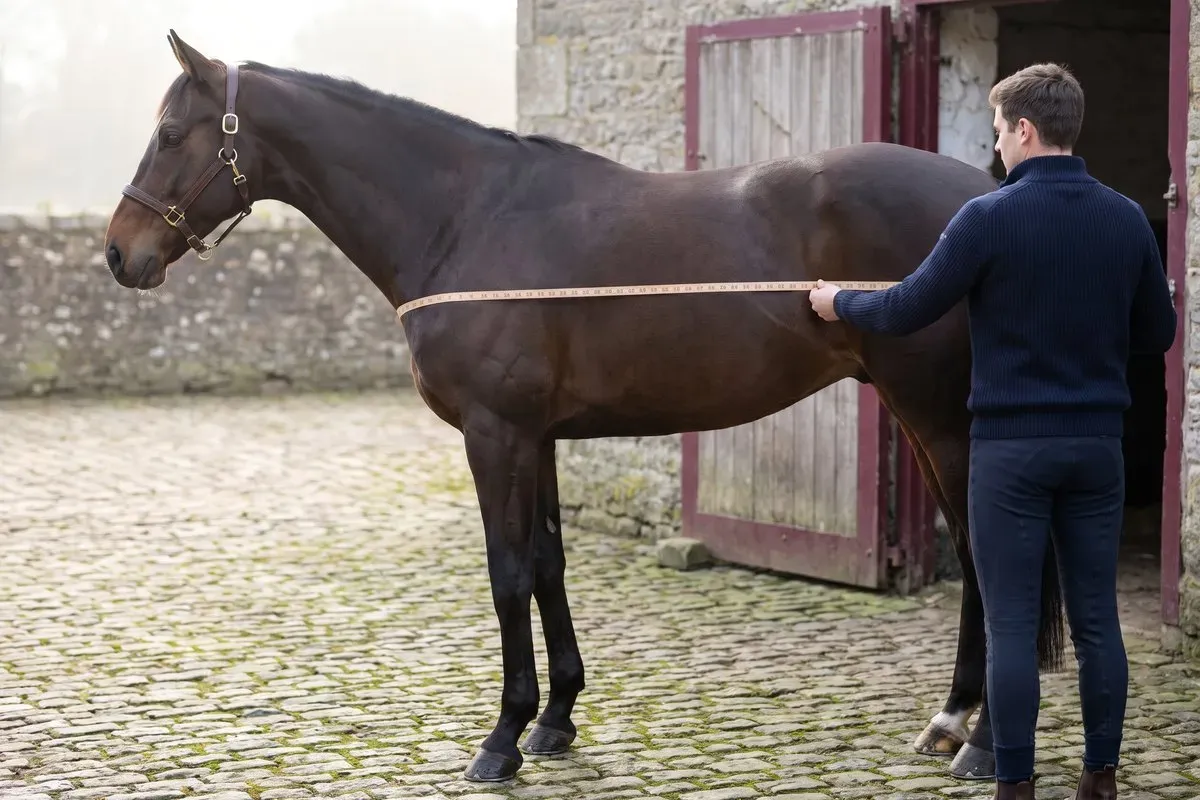
The right choice depends on the individual horse, the field and the forecast, so treat the numbers as a starting point. Our saddlers can talk through weights by phone, by email or from photos of the horse and its current rug, and the size guide explains how to measure. Shop the full range in our rug collection.